 English
  한국어
한국어

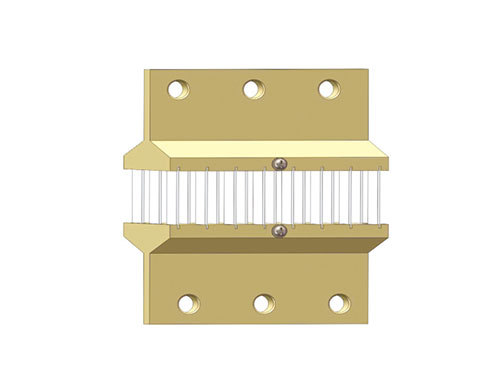
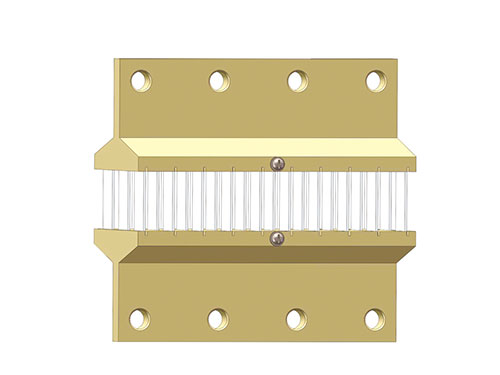
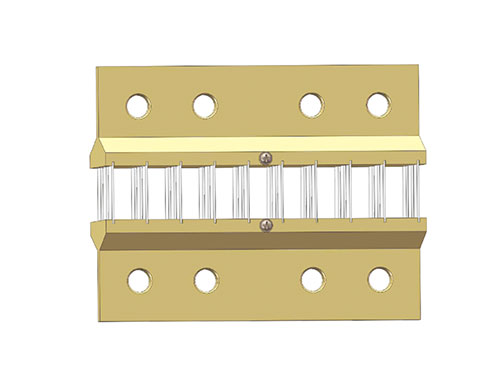
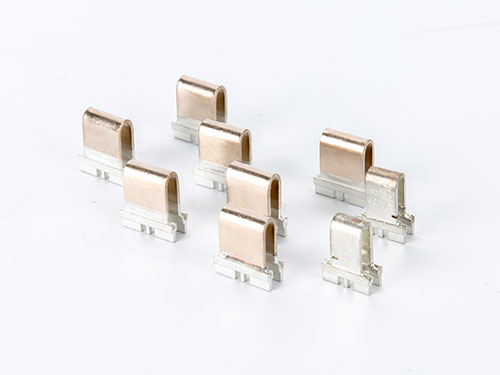
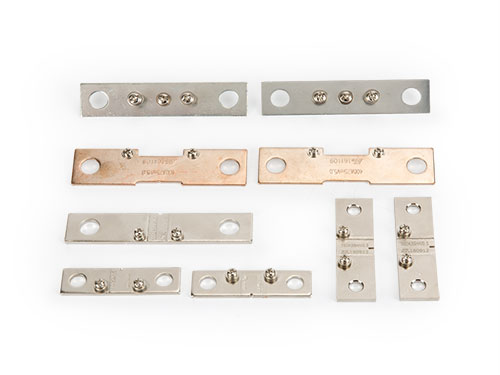
A:shunt is essentially a fixed resistor with an extremely small resistance value but very high precision. It is typically made from low-temperature-drift alloy materials such as manganin or copper to ensure the resistance remains stable across different temperatures.
- Low temperature coefficient of resistance (TCR)
- High long-term stability
- Extremely low thermal internal resistance
- Low thermal electromotive force (for copper)
- Low resistance value reduces power consumption
- High mechanical strength
1. New energy storage / PCS, battery BMS
Leveraging low TCR and high stability to accurately capture charge/discharge current over the long term, precisely calculate battery state of charge (SOC), avoid power metering deviations, and suit 24/7 continuous operation.
2. DC charging piles, onboard electric control
High-current copper busbar structure withstands instantaneous inrush currents; low thermal internal resistance controls temperature rise, meeting high-power fast charging and long-term full-load operation.
3. Smart electricity meters, precision programmable power supplies
Ultra-low thermal EMF is a core requirement; small current sampling is immune to temperature difference interference, ensuring accurate meter billing and calibration of source/load equipment.
4. Industrial inverters
Excellent linearity adapts to DC and low-frequency AC sampling; stably monitors input/output current to ensure precise triggering of overload and short-circuit protection.
5. High-frequency inverter equipment
Customized low-inductance (non-inductive) shunt structure reduces additional voltage drop errors caused by stray inductance at high frequencies, suitable for high-frequency switching power supplies and photovoltaic inverter sampling.
1. Measurement accuracy advantages:
- No zero-point drift
-Ultra-low temperature drift
-Low thermal EMF
2. Cost advantages:
-Lower procurement cost
-Simpler peripheral circuitry
3. Operational advantages:
-Strong electromagnetic interference (EMI) immunity;
-Excellent linearity across full current range, uniform error from small to full-scale current;
-Withstands surge currents; high mechanical strength makes the shunt resistant to damage from short-term surges and inrush currents;
4. Usage and lifespan advantages:
The shunt is a passive component with no aging or degradation.