 English
  한국어
한국어

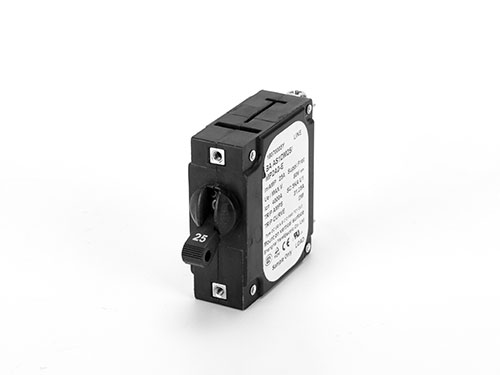
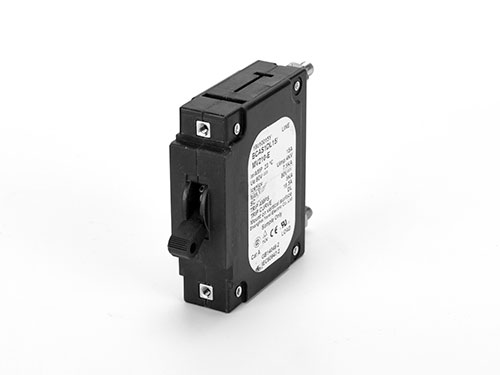
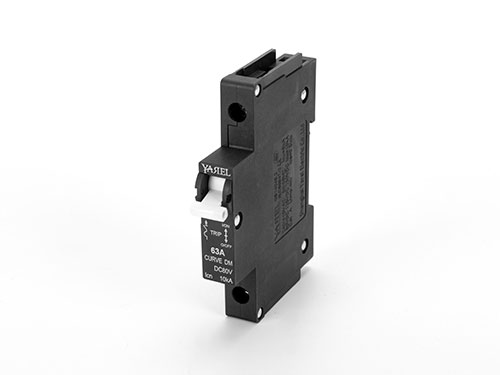
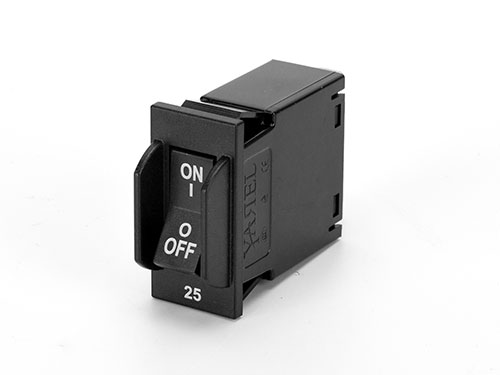
A: The main difference is the overload protection method. Hydraulic-magnetic breakers use electromagnetic force and hydraulic damping, while thermal-magnetic breakers rely on a bimetallic strip and electromagnetic tripping. Hydraulic-magnetic breakers offer better temperature stability, higher overload accuracy, and immediate reset after a fault. Thermal-magnetic breakers are generally more economical and widely used in standard power distribution systems.
A: When selecting a Hydraulic-Magnetic Circuit Breaker, consider the rated voltage, rated current, short-circuit breaking capacity, and trip characteristics. The breaker’s voltage rating should exceed the system voltage, and its rated current should match the load requirements. It is also important to verify installation conditions, operating temperature, and certification requirements for the intended application.
A: Hydraulic-magnetic breakers provide excellent temperature stability, precise overload protection, fast short-circuit response, and immediate reset capability. They are not affected by ambient temperature changes and do not require derating within their specified operating range. These features make them suitable for critical electrical systems where reliability is essential.
A: Hydraulic-Magnetic Circuit Breakers are widely used in rail transit systems, renewable energy equipment, data centers, UPS systems, industrial automation, marine applications, aerospace equipment, and mobile power systems. Their stable performance under vibration, temperature fluctuations, and demanding operating conditions makes them a preferred choice for high-reliability applications.