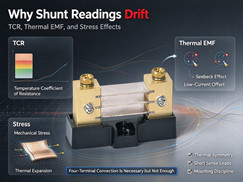
A shunt is often treated as a simple resistor: pass current through it, measure the voltage, divide by resistance. If the shunt is properly selected, correctly wired in a four-terminal configuration, ...
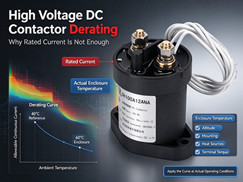
A high-voltage DC contactor's datasheet current rating is established under defined test conditions—typically a specific ambient temperature, a specified mounting arrangement, and unobstructed airflow...
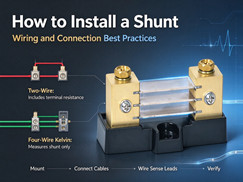
Installing a shunt correctly is just as important as selecting the right one. A precision shunt can deliver excellent accuracy on the bench, but poor installation—wrong connection method, inadequate t...
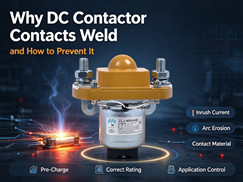
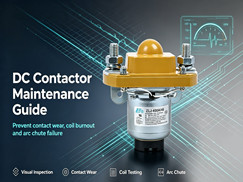
Contact welding is one of the most serious failure modes in a DC contactor. When the main contacts weld together, the contactor cannot open—even when the coil is de-energized. The circuit remains clos...
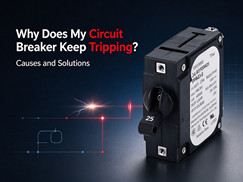
A circuit breaker that keeps tripping is one of the most common complaints in electrical systems—and one of the most frustrating. The breaker is doing its job by interrupting the circuit, but repeated...
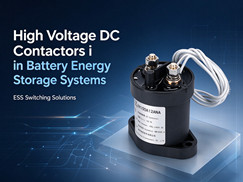
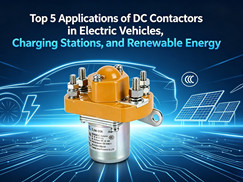
Battery energy storage systems (ESS) rely on reliable switching components to connect and disconnect battery strings, manage pre-charge sequences, and isolate faults. High voltage DC contactors are ce...
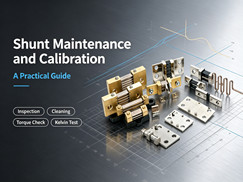
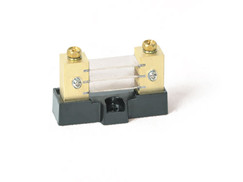
A shunt is a precision resistor used to measure direct current by producing a voltage drop proportional to the current flowing through it. While shunts are known for their reliability and long servi...
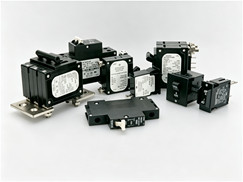
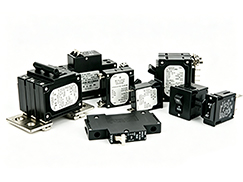
A circuit breaker is a critical component in any electrical system, providing overcurrent and short-circuit protection. Among the various types available, hydraulic circuit breakers—also known as hydr...
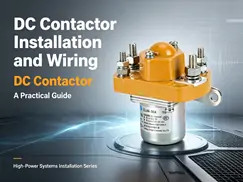
Proper installation and wiring of a DC contactor is just as important as selecting the right model for your application. Even a correctly specified contactor can fail prematurely if it is mounted impr...
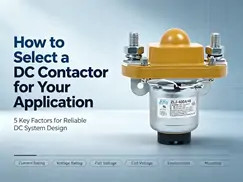
Selecting the right DC contactor is one of the most critical decisions in designing or maintaining a high-power DC system. The wrong choice can lead to contact welding, premature failure, or even sa...
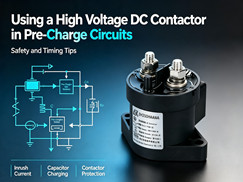
In high voltage DC systems, connecting a discharged capacitor bank directly to the supply can cause a massive inrush current that welds contactor contacts or damages downstream components. A pre-cha...
Contact resistance on a high voltage DC contactor directly affects its efficiency and safety. When resistance exceeds the manufacturer’s specified limit—typically around 0.2 mΩ to 0.5 mΩ for new uni...
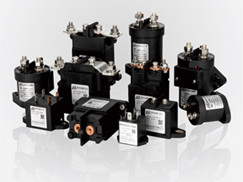
DC contactors control high-current circuits in electric vehicles, photovoltaic energy storage systems, forklifts, and communication power supplies. When one fails unexpectedly, the consequences range ...
In any system that stores, converts, or delivers substantial DC power—whether it is a 400 V battery pack in an electric bus, a 150 kW fast charger, or a photovoltaic array feeding a grid‑tie inverter—...
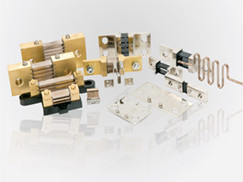
In power electronics systems that manage large DC currents, the component that measures the current must be accurate, stable over time, and immune to electromagnetic interference. A precision low‑resi...
A precision DC current measurement resistor that is correctly sized will operate for years within its rated temperature range, delivering a stable millivolt signal proportional to the current. When it...
In any electric vehicle or energy storage system that operates at traction voltages (400 V, 800 V, or higher), the power relay that connects and disconnects the battery must withstand more than the ma...
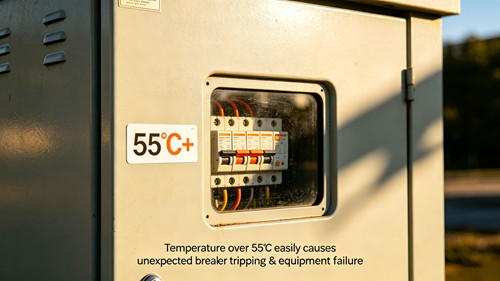
A telecom shelter in the desert runs all winter perfectly, but every July, the main overcurrent protection starts tripping at noon. The load hasn’t changed, and the wiring is intact – the only differe...
For decades, the core method of connecting and disconnecting high-voltage DC circuits relied on a physical gap between metal contacts. This is a simple, robust concept — until you try to open that gap...
I remember a hot summer afternoon a few years back when a call came in from a plant manager. A production line had tripped—again. The thermal breaker in their control panel had done its job, sort of....
When you're shopping for contactors, mixing up AC and DC types can lead to equipment failure, safety risks, or wasted costs. Many buyers know contactors control power flow, but few clear up the core differences that matter for their specifi...
A DC Contactor pops up everywhere—EV charging setups, solar systems, you name it—but how well it works depends a lot on its surroundings. In my years of working with electrical components, I've seen too many users overlook environmental ris...
Lots of folks struggle to tell different DC contactors apart, especially when selecting parts for high-power systems. Getting clear on how specialized and standard options differ helps avoid missteps in setup and use—mistakes that can trigg...
When working with DC-powered systems like EV charging or solar setups, many people encounter DC Contactor but have wrong ideas about it. These myths can lead to poor choices in selection or maintenance, harming system safety and performance...
 English
 한국어